
Leopard Gecko & Bearded Dragon Temperature and Humidity Chart
Updated July 2026
Reptiles are ectotherms — they can't generate their own body heat — so success in keeping them comes down almost entirely to temperature and humidity management. Most cases of food refusal and stuck shed in leopard geckos and bearded dragons are said to trace back to incorrect temperature or humidity. This guide covers ideal temperature and humidity ranges by species, how to set up a temperature gradient, and how to keep a daily log.
Temperature and humidity chart by species
Start with the target ranges for the most popular pet reptiles. The goal is not one uniform temperature throughout the enclosure — you always want both a warm area (basking spot) and a cooler area (cool side).
| Species | Warm side / basking | Cool side | Night minimum | Humidity |
|---|---|---|---|---|
| Leopard gecko | 28–32°C (82–90°F) | 24–26°C (75–79°F) | around 20°C (68°F) | 40–60% |
| Bearded dragon | 35–40°C (95–104°F) basking spot | 25–28°C (77–82°F) | 18–20°C (64–68°F) | 30–40% |
| Corn snake | 28–30°C (82–86°F) | 24–26°C (75–79°F) | around 20°C (68°F) | 50–60% |
| African fat-tailed gecko | 28–32°C (82–90°F) | 25–27°C (77–81°F) | around 22°C (72°F) | 60–80% |
These figures are general guidelines — the ideal values shift with the individual animal and your setup. The key is to never treat the setup as "set once and done": check the actual temperature and humidity every day. Air conditioning and outdoor temperature mean the conditions inside the enclosure change daily, even with identical settings.
How to set up a temperature gradient (basking spot and cool side)
Keep the heat source on one side of the enclosure
Place heat mats, heat bulbs and basking lamps over one half to one third of the enclosure. This creates a warm zone and a cool zone, letting the animal regulate its own body temperature. If you heat the whole enclosure, there is nowhere to escape when it gets too warm.
Use a thermostat to prevent overheating
Always run heating equipment through a thermostat. It cuts the power automatically once the set temperature is exceeded, reducing the risk of midsummer overheating and burns. High-heat fixtures like a bearded dragon's basking lamp should also be mounted where the animal can't touch them.
Two thermometers and hygrometers, not one
Place combined thermometer/hygrometers at two points — the basking side and the cool side — and measure near floor level. A digital unit that records maximum and minimum values is especially useful, because it captures what happens overnight and while you're out.
Season-by-season pitfalls
- Winter (heating): a heat mat alone often fails to warm the air, so you may need an overhead heater or the room's air conditioning as well. Check regularly that the early-morning minimum isn't dipping below the lower limit.
- Summer (overheating): an enclosure that climbs above 35°C (95°F) is dangerous. Keep it away from windows with direct sun and rely on air conditioning to control the room temperature. A thermostat can't cool the enclosure if the room itself is hot.
- Humid season (excess humidity): a muggy, stagnant enclosure invites mold and skin problems. Ensure ventilation and check that the substrate isn't staying soggy.
- Winter (dry air): heating dries the air, which makes stuck shed more likely in leopard geckos. Compensate with a moist hide and regular misting.
A daily log is your early-warning system
Unlike dogs and cats, reptiles don't vocalize when something is wrong — whether you notice "something's different" depends entirely on your records. Log temperature and humidity along with how much your animal ate and any sheds or droppings, and cause-and-effect patterns jump out, like "the food refusal started the week the temperature dropped".
The free pet health app PetnotePlus makes the logging easy:
- Create your own tracking items. Build items to fit reptile keeping — "enclosure temp", "humidity", "feeding (x crickets)", "shed", "handling" and more.
- See trends on a chart. Changes in weight or temperature are visible at a glance.
- Routine reminders. Set a notification like "check enclosure temperature every evening".
- Works for reptiles and every other animal. Geckos, beardies and snakes all live in one app.
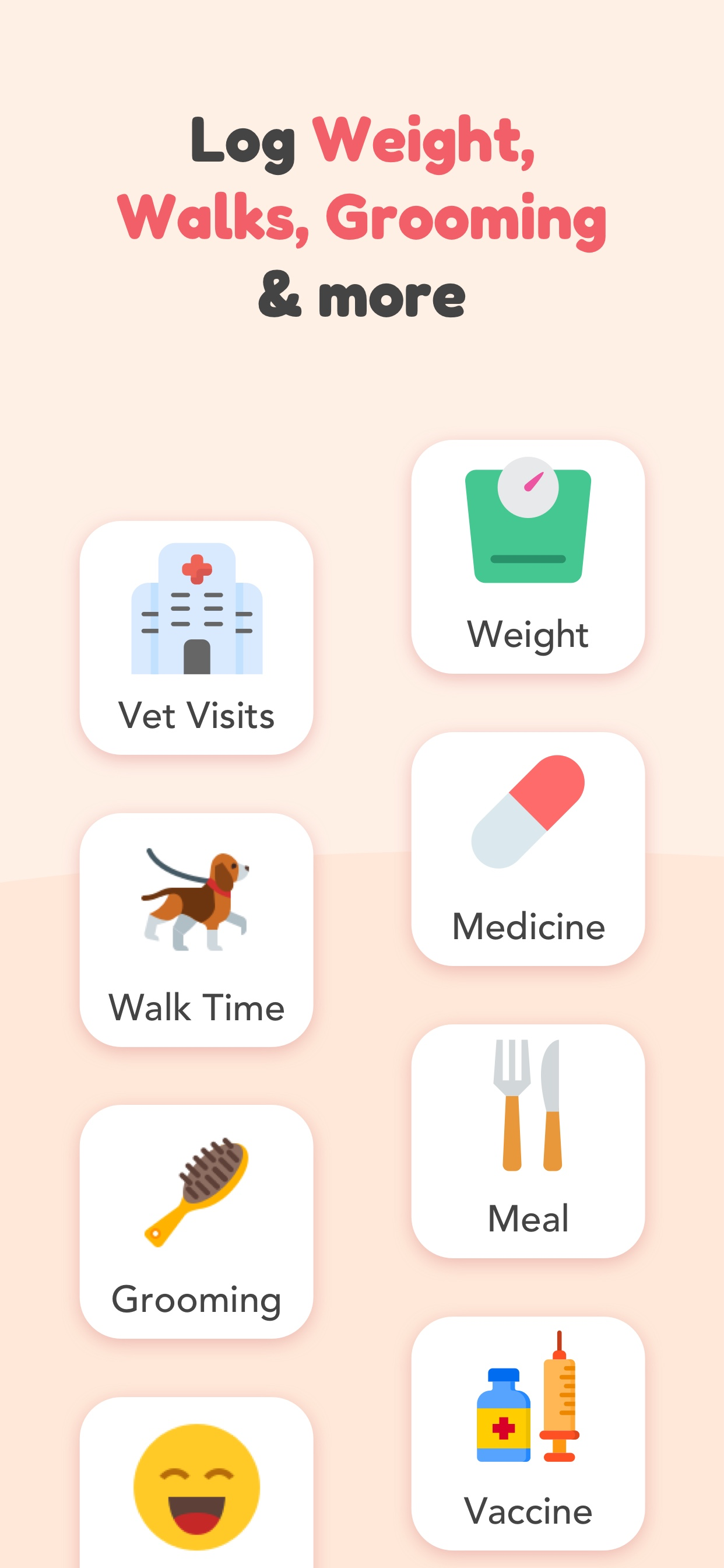
Reptile husbandry records made easy
Temperature, humidity, feeding and sheds — log it all with custom items, with reminders so you never forget a check. Free to use.


Checklist for food refusal or stuck shed
If your reptile stops eating or has patches of retained shed, check the environment first. Being able to report these points makes your vet's job much easier.
- Temperature: are the basking spot and cool side within their target ranges? Is it dropping too low at night or in the early morning?
- Humidity: was humidity too low before the shed? Has the moist hide's water run dry?
- Weight: has it dropped noticeably since the last weigh-in? (Regular weight records make this call much easier.)
- Droppings: any change in the color or frequency of feces and urates?
- Environmental changes: a moved enclosure, a layout change, loud noises — any new source of stress?
If the refusal continues even after the environment checks out — and because retained shed on toes or the tail can lead to necrosis if left alone — see a reptile-savvy vet sooner rather than later.
Frequently asked questions
Where should I put the thermometer in a reptile enclosure?
Use two: one on the heated side (near the basking spot) and one on the cool side. With a single thermometer you can't confirm that a temperature gradient actually exists. Measure near floor level — the height where your reptile actually lives.
Can I turn the heater off at night?
Some drop at night is natural, but as a guideline don't let leopard geckos fall below 20°C (68°F) or bearded dragons below 18–20°C (64–68°F). In winter especially, run your heating equipment on a thermostat and log the early-morning minimum temperature to make sure.
What should I do if the humidity won't go up?
Mist in the morning and evening, add a moist hide, or switch to a wider water dish. Leopard geckos in particular are prone to stuck shed when humidity is too low before shedding, so logging humidity and knowing your enclosure's trend gives you peace of mind.
This guide is for general information only — always consult your veterinarian about your pet's health.